


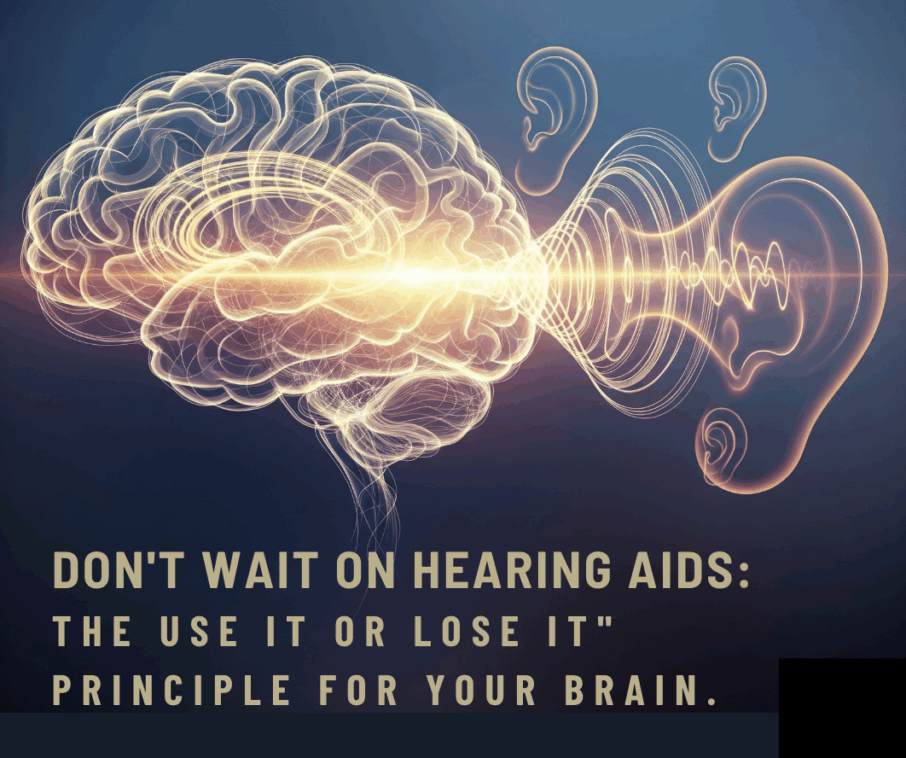
For years, the conversation about hearing aids has centered on their ability to reconnect people with daily life, improve communication, and allow for the enjoyment of music and social gatherings. While these benefits remain at the core of their purpose, a growing body of research has brought to light an even more critical advantage: the powerful link between treating hearing loss and protecting brain health. You may have seen headlines or heard from your doctor that hearing loss is a significant risk factor for developing dementia. This isn’t just a theory; it’s a growing body of scientific evidence.
The Cognitive Strain of Untreated Hearing Loss
When you can’t hear clearly, your brain is forced to work overtime just to fill in the gaps. It’s constantly trying to interpret muffled or missing sounds, a task that diverts cognitive resources away from other crucial functions like memory and thinking. This constant mental strain, over time, can contribute to cognitive decline.
The “Use It or Lose It” Principle in Action
The “use it or lose it” principle applies directly to your brain’s auditory pathways. Think of your brain as a complex network of pathways or a busy highway. When you stop hearing certain sounds—whether it’s the rustle of leaves, the quiet hum of a refrigerator, or the voice of a loved one—the parts of the brain responsible for processing those sounds start to atrophy. When the sound-processing “lanes” are closed due to untreated hearing loss, the traffic gets rerouted, causing strain and slowing down other crucial functions like memory and thinking. If you never hear a sound to begin with, you won’t be able to remember it or access that memory later. By wearing hearing aids, you are providing your brain with the stimulation it needs to keep those auditory pathways active and healthy.
A Proactive Approach is Key: The Benefits of Early Treatment
While treating hearing loss is still a crucial step for those already diagnosed with dementia, as it can help them better understand caregivers and stay connected to the world, the ideal time to act is before dementia develops. Addressing hearing loss when it is mild to moderate allows you to get comfortable with hearing aids and integrate them into your daily life. You learn how to use them, how to care for them, and how to feel confident wearing them.
Imagine trying to learn how to use a new piece of technology for the first time while navigating the challenges of memory loss and confusion. It’s a steep, difficult, and often frustrating learning curve. By becoming comfortable with hearing aids early on, you are setting yourself up for success and empowerment down the road. You’ll already be a pro, allowing the hearing aids to simply do their job: helping you hear better, stay connected, and keep your brain as sharp as possible.
A Simple Step Towards a Healthier Future
Wearing hearing aids isn’t just about making things louder; it’s a vital tool for long-term health and well-being. It’s about stimulating your brain, maintaining cognitive function, and reducing a key risk factor for dementia. It’s a simple, yet powerful, step you can take today to invest in your long-term brain health.
If you or a loved one has been putting off a hearing test or isn’t consistently wearing hearing aids, now is the time to act. By addressing hearing loss early, you’re not just improving your ability to hear—you’re actively protecting your mind and preserving your independence for years to come.